Call of Duty Mobile's Uncertain Future: Microsoft's Plans and the Warzone Mobile Shift
The shocking revelation in 2023 that Call of Duty Mobile would be phased out due to the Microsoft-Activision Blizzard acquisition sent shockwaves through the global gaming community, highlighting the disruptive impact of corporate deals on beloved titles.
So, here we are in 2026, and I gotta say, the mobile gaming landscape has been through some wild twists and turns. Remember all the buzz back in 2023 about the fate of Call of Duty Mobile? Well, looking back now with the clarity of hindsight, it's a story that really highlights how corporate mega-deals can send shockwaves through our favorite games. It all started when Microsoft, in the midst of trying to finalize its colossal acquisition of Activision Blizzard, had to lay its cards on the table for UK regulators. And man, what they revealed about COD Mobile was a real gut punch for its massive global player base.
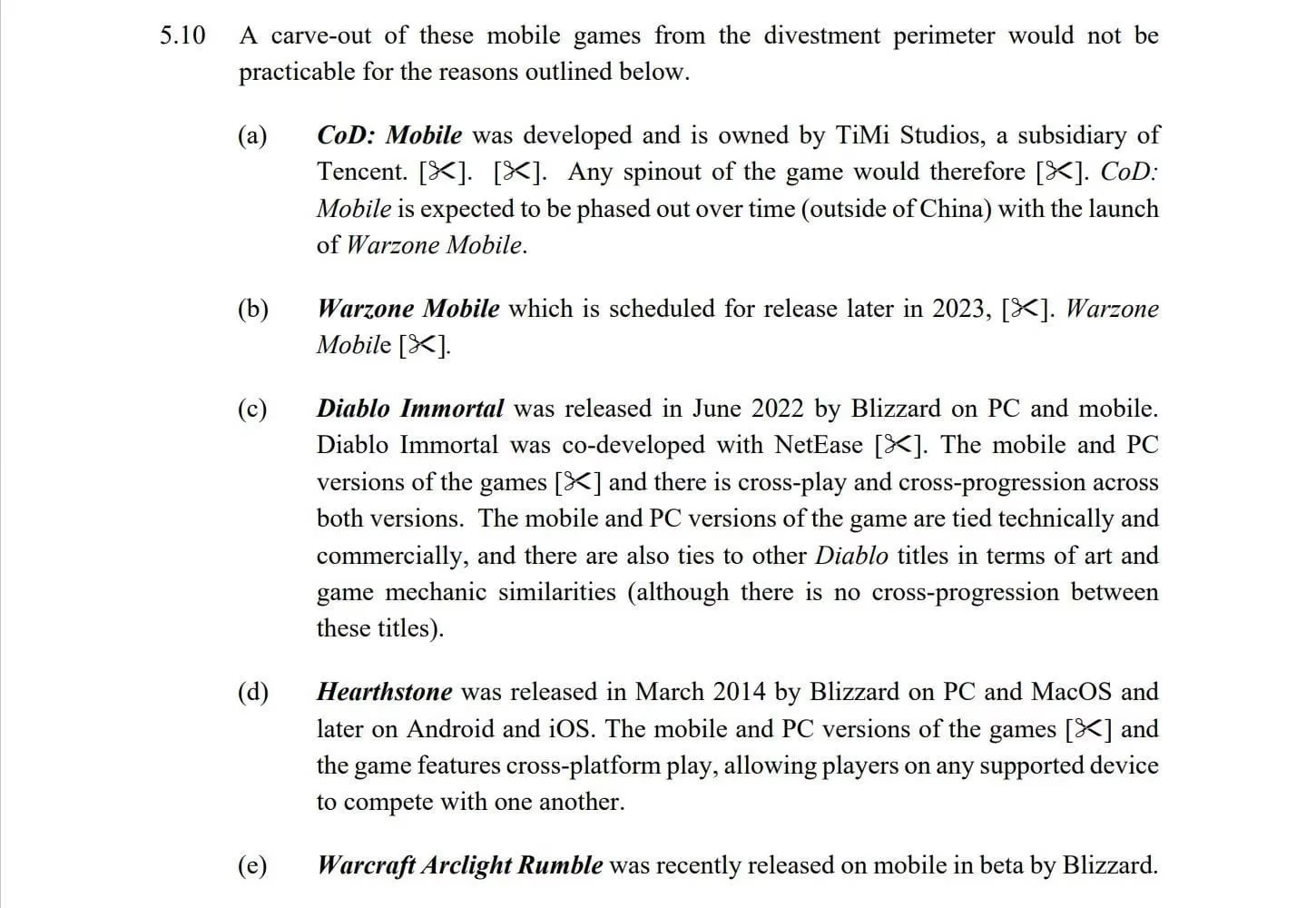
The bombshell was dropped in a formal response to the UK's Competition and Markets Authority (CMA). Microsoft, trying to argue against certain forced divestments, just casually let it slip that "Call of Duty Mobile is expected to be phased out over time (outside China) with the launch of Warzone Mobile." I mean, talk about burying the lede! This wasn't some official announcement to the community; it was a line in a legal document. For millions of us who'd poured hours into the game, it felt like we'd been left totally in the dark. The reason given was pretty corporate-speak too: the game is developed and owned by TiMi Studios, a subsidiary of Tencent. So, it seems part of the plan post-acquisition was to consolidate the Call of Duty brand more directly under the new Microsoft-Activision umbrella and move away from a key partnership. Activision itself never really stepped up to clarify things officially back then, leaving everyone hanging with a ton of questions.
Let's rewind a sec and talk about why this was such a big deal. COD Mobile wasn't just another shooter; it was a phenomenon. It brought the classic CoD feel to our pockets with:
-
Engaging Content & Modes: From classic multiplayer maps like Nuketown to the fan-favorite Battle Royale mode.
-
A Thriving Esports Scene: It had built a legitimate competitive ecosystem.
-
Massive Global Appeal: It was accessible and popular worldwide (except China, which had its own version).
Phasing it out felt, frankly, like a major risk. Meanwhile, the supposed successor, Call of Duty: Warzone Mobile, was just getting off the ground with limited releases and pre-registrations. Betting a sure thing on a new, unproven (at the time) title was a bold, or maybe reckless, move.
All of this drama was happening against the backdrop of the $68.7 billion elephant in the room: the Microsoft-Activision Blizzard deal. Announced way back in early 2022, this thing was stuck in regulatory hell for what felt like forever. The CMA was seriously concerned it would kill competition, especially in cloud and console gaming. They proposed some hardcore remedies, essentially telling Microsoft, "If you want this, you might have to sell off parts of Activision, like the whole Call of Duty business."
| CMA's Potential Structural Remedies | What It Meant for Microsoft |
|---|---|
| Prohibition of the Merger | The whole deal is off. Game over. |
| Partial Divestiture | Sell off parts of Activision Blizzard, potentially the Call of Duty IP itself. |
Microsoft's response was a firm "No way, José." They argued carving out specific games or segments wasn't practical and that their remedies were overkill. Their disclosure about COD Mobile's fate was part of this larger argument about the integrated nature of the business they were buying.
Fast forward to today, 2026, and we can see how it all played out. The deal eventually went through after a long saga of negotiations and concessions. And that "phasing out" timeline for COD Mobile? It happened, but not overnight. It was a slow sunset, a transition period where support gradually shifted. Warzone Mobile eventually launched globally and carved its own path. But for many players, the whole episode was a stark lesson. It showed how our gaming habitats can be reshaped by boardroom decisions far removed from the actual gameplay. It blurred the lines between platform loyalty and game ownership. The community's reaction was a mix of disappointment, frustration, and reluctant adaptation. In the end, the legacy of COD Mobile is a reminder of a time when a top-tier mobile FPS got caught in the crossfire of corporate giants, and we, the players, were just along for the ride, hoping our favorite digital battlefields wouldn't vanish into thin air. The whole situation was, as we'd say, a real "clown fiesta" of corporate communication, but it definitely changed how many of us view the long-term stability of even the most popular live-service games.